As the global shipping industry continues to raise requirements for vessel safety and operational efficiency, traditional anti-corrosion solutions can no longer meet the demand for long-term reliable protection. Recently, our company officially launched the QLYB Series Impressed Current Cathodic Protection (ICCP) System, which delivers a new anti-corrosion solution for various vessels and offshore engineering facilities through intelligent, long-lasting technological breakthroughs, driving a comprehensive upgrade of the industry's anti-corrosion capabilities.
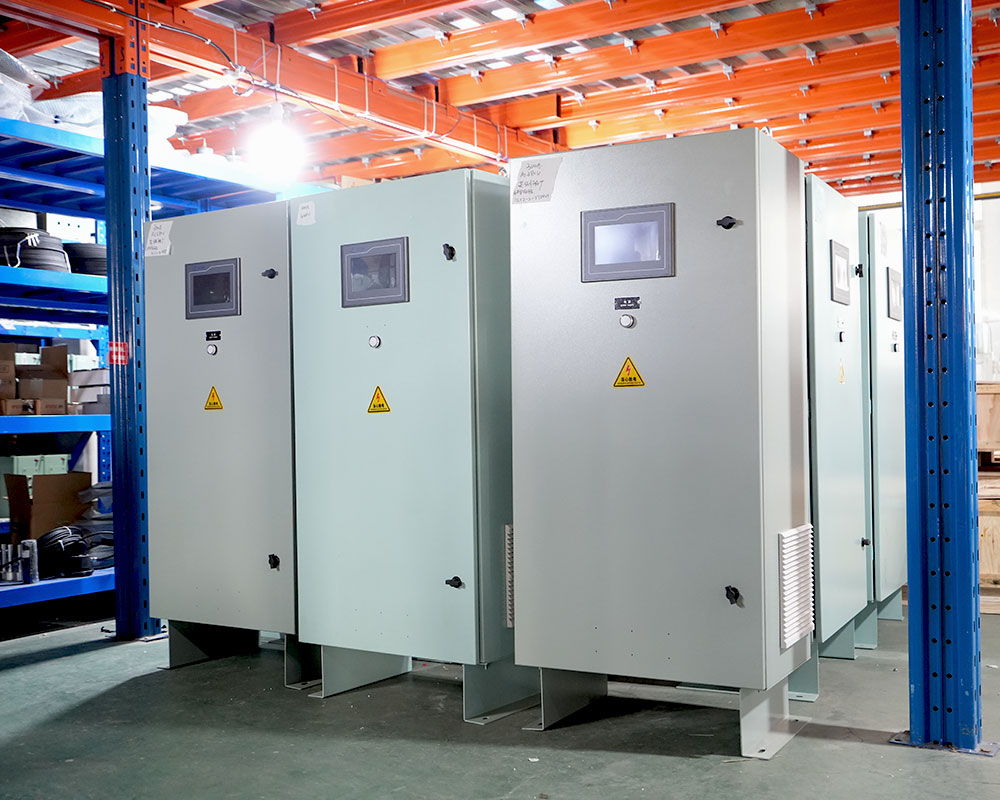
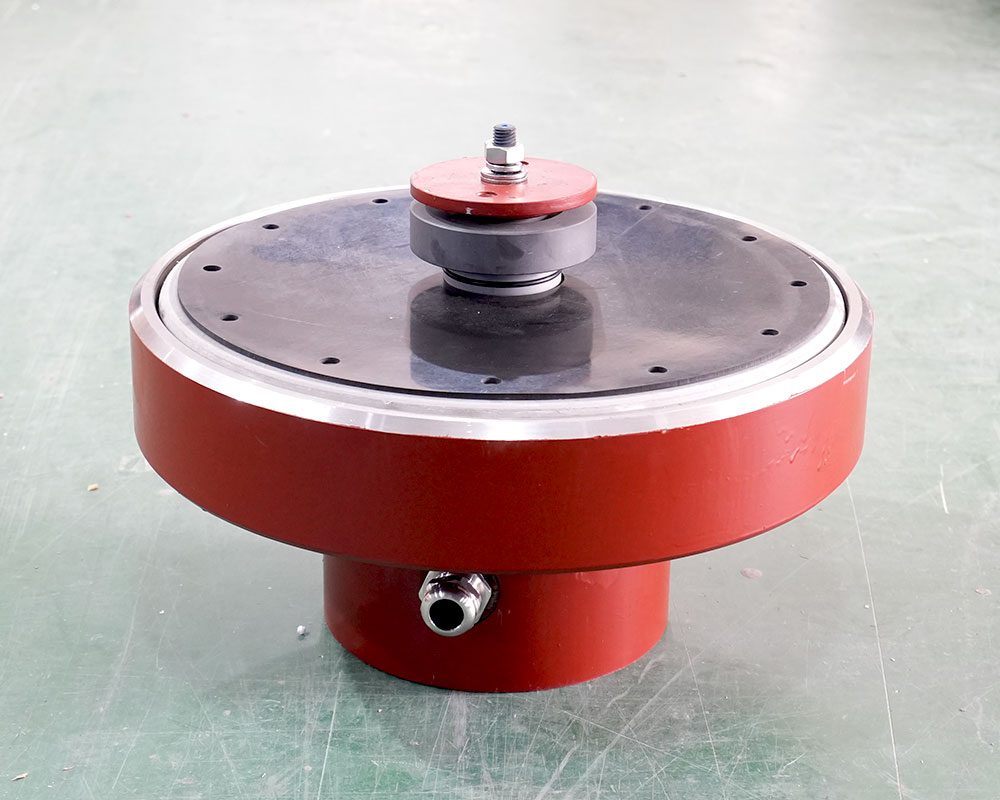
The QLYB Series System consists of core components including constant potentiometers (control cabinets), auxiliary anodes, anode shielding layers, and reference electrodes. By outputting stable DC current through the constant potentiometer, it creates cathodic polarization on the hull surface, fundamentally inhibiting seawater corrosion. The system's integrated reference electrodes monitor hull potential in real time and automatically adjust protection current based on changes in the marine environment, ensuring the hull remains within the optimal protection potential range. This completely addresses the pain points of traditional zinc block cathodic protection, such as frequent replacement needs and diminishing protection effectiveness over time.
Available with constant potentiometers ranging from 50A to 600A and auxiliary anodes from 20A to 200A, the system flexibly adapts to different hull sizes, sailing waters, and corrosion conditions, delivering precise anti-corrosion protection.
Scenario Adaptation: Full Coverage, Protecting Offshore Engineering Equipment
The QLYB Series Impressed Current Cathodic Protection System is widely applicable to corrosion protection for various marine equipment:
Commercial Vessels: Anticorrosion for underwater hulls, rudders, and propellers of ocean-going vessels such as cargo ships, oil tankers, and container ships
Offshore Platforms: Long-term protection for steel structures and underwater facilities of drilling platforms and production platforms
Specialized Facilities: Full-life-cycle anticorrosion for floating docks, offshore wind turbine installation vessels, and engineering ships
By inhibiting the formation of corrosive electrons on the surface of hull steel plates, the system effectively extends equipment service life, reduces structural damage and maintenance costs caused by corrosion, and builds a solid line of defense for the safe navigation of vessels and stable operation of offshore engineering facilities.
Value Empowerment: Cost Reduction & Efficiency Improvement, Driving Green Shipping
Against the dual backdrop of the shipping industry's green transformation and the drive for cost reduction and efficiency improvement, the QLYB Series System not only significantly enhances vessel operational safety but also leverages its intelligent, low-maintenance technological advantages to help shipowners optimize operation and maintenance processes and reduce marine pollution, complying with the strict environmental and safety standards of the International Maritime Organization (IMO). Compared with traditional zinc block protection, this system drastically reduces anode replacement frequency and maintenance costs, creating long-term economic value for customers.
Going forward, we will continue to deepen its expertise in marine anticorrosion technology, drive product iteration through innovation, and provide more reliable offshore engineering equipment solutions to customers worldwide. For technical specifications, customized solutions, or to schedule an on-site demonstration of the QLYB Series System, please feel free to contact our international partner Zhenjiang Matchau Marine Equipment Company at any time!